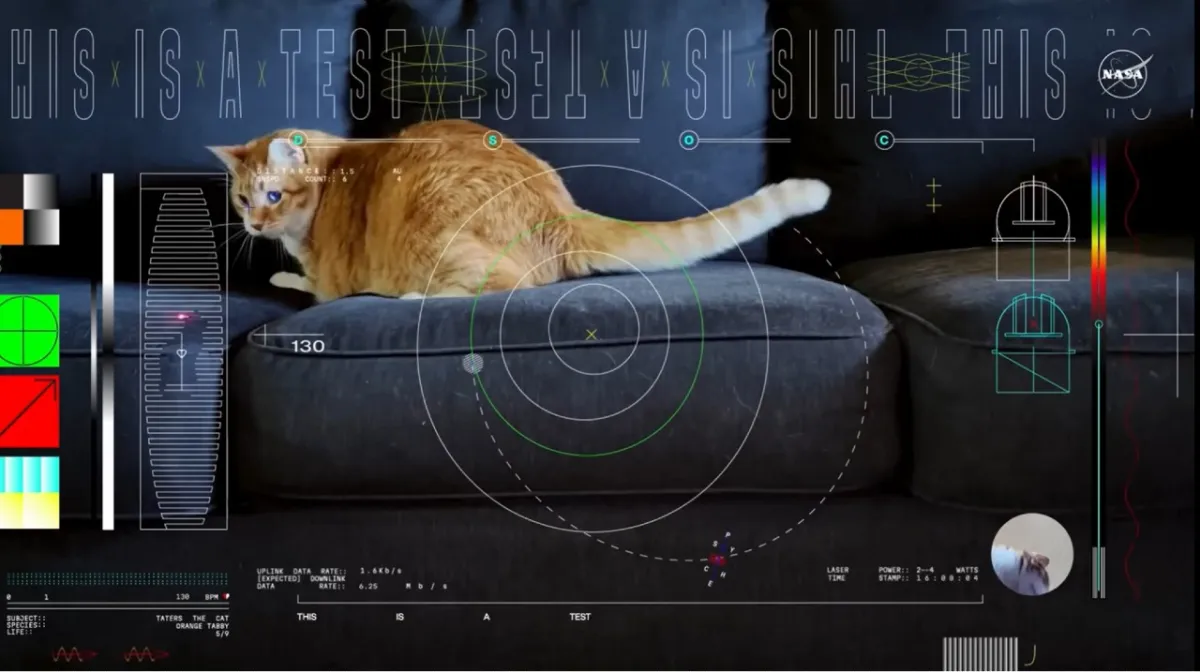



Now that we live in a society whose cultural output is dominated by videos of kittens, people’s gut reaction to cats is largely “Aaaawwwww.” That makes it easy to forget that every cat on Earth is a nearly perfect machine built for the sole purpose of murdering small animals. Every now and again, we get a reminder of the fact, and the latest one is an estimate published in the journal Nature Communications this week suggesting that domestic cats in the United States are responsible for the deaths of 3.7 billion birds and more than 20 billion small mammals every year. Doing that math, it appears that literally every second your beloved pet is not in you lap, it is snuffing out tiny lives with mind-boggling efficiency.
The math breaks down like this. Previous studies and observations have found that domestic outside cats kill between 30 and 47 birds and as many as 299 small mammals — mice, voles, and other Redwall denizens, mostly — per cat every year. Multiply that by about 84 million domestic pet cats, many of whom come and go mostly as they please, and as many as 80 million more stray and feral cats, and you’ll reach the unpleasant conclusion that every well groomed front yard and neighborhood park you see is more or less a feline grocery store — and butcher’s shop. According to the paper, domestic cats:
“…are likely the single greatest source of anthropogenic mortality for US birds and mammals.”
You read that right. According to this estimate, creating the domesticating the cat is, by one metric, the most lethal thing mankind has ever done to the planet. And we get up to some stuff, folks. Just roll that one around in your head.
If that number seems on the high side, you’re not alone. The study’s conclusions represent a much higher estimate than previous numbers quoted for the impact of domestic cats on small animal mortality. Still, it doesn’t even take into account the number of lizards, frogs and other species killed by cats, meaning the real number of deaths doled out by house cats could be even higher. If it helps to salve your conscience, though, most of the deaths are not caused by house pets, but feral animals. The study also comes at a time of renewed debate on the problem of feral cats, sparked by a controversial cat-culling program proposed in New Zealand recently.
Still, the news is pretty troubling for conservationists, many of whom have been worried about the impact of outdoor cats and ferals for years, especially in areas where small species that cats prey on are making small comebacks — the piping plover on New York’s Long Island, for example, which is struggling to return to its native range as it becomes prey for the significant cat populations that have moved in.
(via PhysOrg)
- Hunting cats are a problem in the U.K. as well
- Kitty Cam tracks cats as they hunt
- This is what voles must feel like pretty much all the time