



Way back in 2007, Viacom filled a billion dollar suit against YouTube claiming that YouTube was purposefully turning a blind eye to copyright infringing content in order to boost the site’s popularity. The suit didn’t last long however, and soon a court threw the case out based on the fact that YouTube, by cooperating with DMCA takedown requests and removing allegedly infringing content, fell under the DMCA’s “Safe Harbor” protection, rendering the site protected from lawsuits so long as they were clearly trying to keep things under control. Now, the U.S. Court of Appeals has reversed that decision, and YouTube is back in the hotseat, apparently for not trying hard enough, which is utterly ridiculous. In fact, they’re already trying too hard.
“A reasonable jury could find that YouTube had actual knowledge or awareness of specific infringing activity on its website,” says the court’s 39-page decision, and while that might be the case — I couldn’t say without seeing the evidence myself — YouTube’s takedown-happy policies suggest exactly the opposite. Just look at the laundry list of non-infringing content that YouTube has removed, presumably in a frantic bid to hold onto their safe harbor status, which now proven useless. Viacom itself has even made use of these requests, with great success I might add, to take down videos that didn’t even come close to infringing on its copyrights.
Viacom, obviously, doesn’t see it this way. “The court delivered a definitive, common sense message — intentionally ignoring theft is not protected by the law,” said Viacom spokesman Jeremy Zweig. Aside from Mr. Zweig’s total confusion of what constitutes theft, he’s also oversimplifying the issue by acting as if the matter is somehow simple, and that there’s an easy way for YouTube to be more involved. It’s not like YouTube hasn’t developed tools for trawling its vast wilderness of videos for infringing content. It has. It’s called Content ID and it’s terrible.
If you aren’t familiar, Content ID is a mechanism by which rightsholders can have YouTube videos compaired against their own library of content, marking YouTube videos that are infringing and presenting them to the rightsholder for confirmation, at which point the rightshold can remove the video or monetize it without 3rd party confirmation that it’s actually infringing. Developing and maintaining this system is about as hands-on as you could expect YouTube to get without hiring upload checkers or something, and considering video is uploaded to the site at about 60 hours of footage per minute of real time, that’s pretty impossible. The real kicker is that Content ID is already too biased towards the rightsholder. It’s just asking to be utilized in an ad-scam. And Viacom, and the courts apparently, are clamoring for more help from YouTube.
It can be easy to get mad at YouTube for playing along with all this, taking things down, and letting things be taken down; I used to get mad at YouTube all the time. The fact is, though, this is necessary for them to maintain DMCA safe harbor. As long as they keep being overzealous — something that really, really shouldn’t be encouraged in the first place — they are safe from expensive lawsuits like this one. This recent ruling however, seems to suggest that being overzealous isn’t enough; they have to be overly overzealous or something.
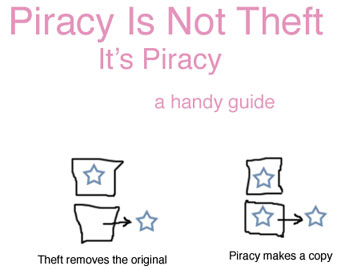
The main problem with DMCA is that it encourages the removal of content, infringing or not. The reason this is a problem is because since piracy literally isn’t theft and is instead copying, leaving up infringing content doesn’t necessarily result in a loss for the rightsholder whereas removing non-infringing content does necessarily result in a loss for the rightsholder of the removed video. That is to say, Viacom isn’t necessarily going to lose out on DVD sales if an episode of The Daily Show stays on YouTube for an extra few hours. No one is stealing their supply of Daily Show views. A independant film maker will definitely lose precious views and exposure when their non-infringing documentary gets taken down. Someone is actively taking something valuable away from this guy. Not only is the system unfairly biased, it’s unfairly biased towards the party that’s already got the advantage.
The bright spot here is DMCA’s safe harbor provision which means that all these non-infringing takedowns aren’t in vain, kind of. At least, if nothing else, YouTube is protecting itself from lawsuits by doing so, and can stay in operation which I think we all want. This ruling aims to crush that, arguably destroying DMCA’s one provision that wasn’t expressly in the interest of jealous rightsholders. Granted, the ruling doesn’t mean that YouTube will have to pay Viacom a billion dollars but instead means that someone still has to decided if YouTube will have to pay Viacom a billion dollars. Still, it’s a ridiculous prospect to suggest that, under current laws, YouTube isn’t trying hard enough to stop infringment. What else can they really do besides shut down?
(h/t Gizmodo)
- More on how DMCA is horribly broken
- And how Content ID is ripe for the scamming
- Rightsholders don’t need any more help, look what they do when they get it